How do our minds really work?
How different are we from one another? What’s the science behind our interactions, and how do we fit into the larger collective of consciousness?
These are some of the big questions we explore in the Make Your Mind podcast. Dedicated to curiosity and expanding our understanding of ourselves and the world, this podcast brings together experts from various fields—those who study the science of the mind, experts in self-inquiry, and thought leaders with social and cultural insights.
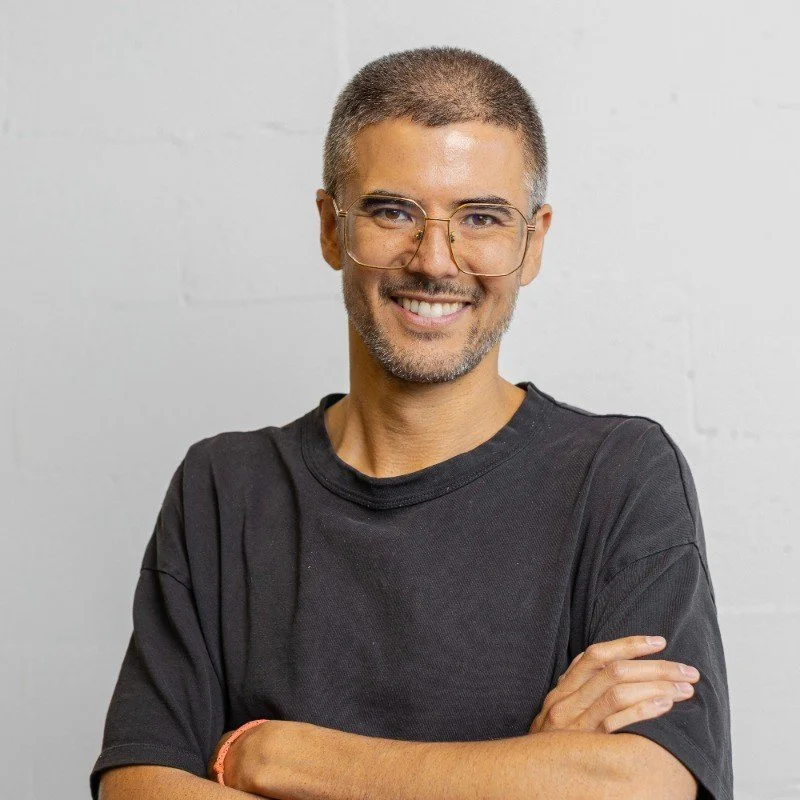
Join Jess Leondiou as she dives into conversations that unpack these evolving topics.
How can ancient wisdom help us navigate modern stress and disconnection? Professor Diane Dreher—author, positive psychology researcher, and Professor Emeritus at Santa Clara University—explores how the Tao Te Ching and contemporary psychology offer simple practices for cultivating presence, resilience, and inner peace
What helps us feel truly held in a world that feels increasingly disconnected? Dr Ross Ellenhorn is a sociologist, psychotherapist and founder of a community-based mental health model that keeps people centred in their everyday lives rather than removing them from it. This conversation moves across loneliness, creativity, hope, and what it takes to build spaces where people can genuinely heal.
Can our earliest emotional patterns be rewritten? The patterns that shape how we love, cope, and relate to ourselves often trace back further than we realise, to beliefs formed long before we had the language to question them. Dr Lars Madsen is a psychologist and schema therapy specialist who works with some of the most complex presentations in clinical practice. This conversation is a clear, compassionate look at why change is hard and what real healing actually feels like.
Duncan Anderson thinks differently about mental health and wellbeing, and this conversation challenges some of the most widely accepted ideas about self-improvement, resilience, and what it actually means to thrive. He and Jess explore the difference between self-regulation and co-regulation, what psychological safety really means, and why curiosity might be more useful than self-monitoring.
What if the relentless pursuit of happiness is part of what's making us feel worse? Brock Bastian is one of Australia's leading researchers on wellbeing and pain, and his work makes a compelling case that discomfort, not the avoidance of it, is central to a meaningful life. A genuinely perspective-shifting conversation.
If you've ever been told you feel too much, think too deeply, or care too intensely, this one is for you. Imi Lo is a psychotherapist and author whose work explores the lives of emotionally sensitive and intense people with real warmth and rigour. This conversation covers neurodivergence, trauma, intuition, and what it looks like to build a life that genuinely fits who you are.
Most of us navigate life heavily reliant on our thinking minds, but Gayle Hardie's work suggests we have two other centres of intelligence we're largely ignoring. She's a leadership expert with over 30 years of experience using the Enneagram to help people understand why they do what they do. This is a grounded, practical conversation about self-awareness, emotional health, and what it means to show up more intentionally.
Darren Fleming has a different take on personal growth, one that questions whether more tracking, more habits, and more self-analysis is actually helping. His book Mindset Mastery argues that real change comes from tuning into the body rather than managing the mind. This episode dives into some genuinely provocative ideas about how we change, and why effort isn't always the answer.
If you've ever found yourself obsessing over someone, unable to stop thinking about them, building out scenarios in your head, with feelings that crossed from love into something that felt more like an addiction, you may have experienced limerence. Neuroscientist Dr Tom Bellamy breaks down exactly what's happening in the brain, why some people are more vulnerable to it, and what you can actually do when you're in it.